
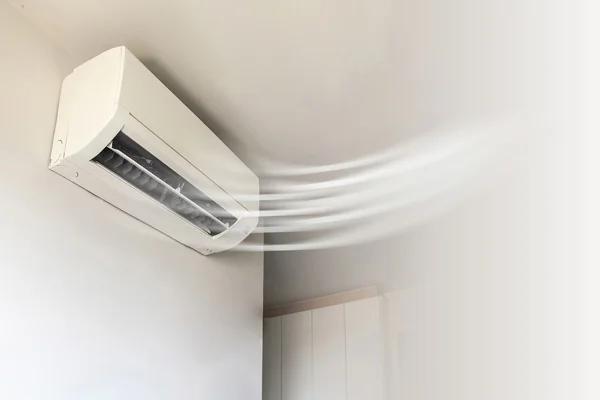

Smart air conditioners represent the perfect intersection of comfort and technology. These innovative devices are revolutionizing the way we manage our indoor climate, making it easier to maintain a comfortable temperature in our homes while also saving energy.
Smart air conditioning units are Wi-Fi-enabled appliances that can be controlled remotely using smartphones or tablets. This feature allows users to adjust their home’s temperature from anywhere at any time, offering unprecedented convenience and control. Imagine being able to turn on your air conditioner on your way home from work so you arrive at a cool and comfortable house, or turning off the AC unit in an empty room without having to get up – that’s what smart air conditioners offer.
But there’s more to these intelligent devices than their remote control capabilities. Smart air conditioners come equipped with advanced features such as energy usage tracking, automatic scheduling, and even voice control when paired with smart home systems like Amazon Alexa or Google Home. They learn from your preferences and habits over time, automatically adjusting themselves for optimal performance and comfort.
For instance, some models have sensors that detect explore the full story number of people present in a room and adjust cooling accordingly. Others can track local weather forecasts via internet connection so they can adapt their settings based on upcoming weather changes.
The integration of artificial intelligence (AI) into these devices has further enhanced their functionality by enabling them to make independent decisions based on learned patterns. For example, if you typically turn down your AC at night before bed, after several repetitions, your smart AC will start doing this automatically.
One particularly noteworthy benefit of smart air conditioners is their potential for energy savings. Traditional cooling methods often result in wasted energy because they run continuously until manually turned off or adjusted—regardless of whether anyone is home or not—resulting in high electricity bills during summer months especially.
On the other hand, smart ACs’ ability to self-regulate based on occupancy detection or set schedules means they only use energy when necessary. This efficiency can result in significant savings on your utility bills over time, making the initial investment in a smart air conditioner well worth it.
Moreover, many smart air conditioners are Energy Star certified, meaning they meet strict energy efficiency guidelines set by the Environmental Protection Agency and the Department of Energy. This certification not only assures you of their eco-friendliness but also often qualifies for rebates that can offset part of their purchase price.
In conclusion, smart air conditioners represent an exciting advancement in home cooling technology. They offer increased convenience and control while potentially saving users money on energy costs. As technology continues to evolve, there’s no doubt we’ll see even more impressive features added to these intelligent devices – making our homes smarter and our lives more comfortable.